
A friend on Facebook pointed to a study that said writing by hand used more of the brain than using a keyboard. As someone who prefers keyboards to writing by hand and has since I learned to type at 16, I was a little skeptical.
I looked up the study and not only found it, but found a significant critique of it published in the same journal.
When I read over the study, I discovered that the participants did the “writing by hand” using a digital pen on a screen, while they did the typing using only their right index finger – that is, the equivalent of “hunt and peck” typing, which is not the way that people generally type on a keyboard. They limited it to right-handed people as well.
According to the study, they did this because using both hands would make it hard to interpret the results. The critique noted the one-finger typing as a problem, as well as looking at other things from the perspective of researchers and finding it wanting.
And I came away deciding they hadn’t really proved anything about the difference between keyboard use and writing by hand.
I suspect there is some value in learning to write by hand – the study points to the understanding of how each letter is constructed, which makes sense to me. But if you want to convince me that it’s better than using a keyboard, you’re going to need to study people using pen on paper and typing with both hands on a keyboard.
I am assuming that most people who spend time using a computer keyboard use it with both hands and know the QWERTY layout in their fingers. If a large number of people are actually doing some form of hunt and peck while staring at the keyboard rather than the screen, the bigger question is why aren’t the kids learning to use a keyboard properly.
I have seen all kinds of arguments about whether kids should still learn cursive. There are those who argue that learning to print is enough. Perhaps it is, but printing was always harder for me than longhand. So I’m inclined to go for teaching all those things – printing, cursive, and typing – and letting people decide which to use when.
Lately teachers have taken to requiring students to write by hand in blue books in class to keep them from using LLMs (“AI”) to write their essays, so they need to be able to print or write longhand. A friend of mine tutors a high school student who is finding the physical act of writing difficult because he wasn’t taught it well when he was younger.
I take notes by hand out of the books I read in my morning reading practice and have noticed a slightly different need for paying attention when writing by hand. But here’s the thing: once I learned to type, I vastly preferred writing on a keyboard where I could see what I was turning out much more easily.
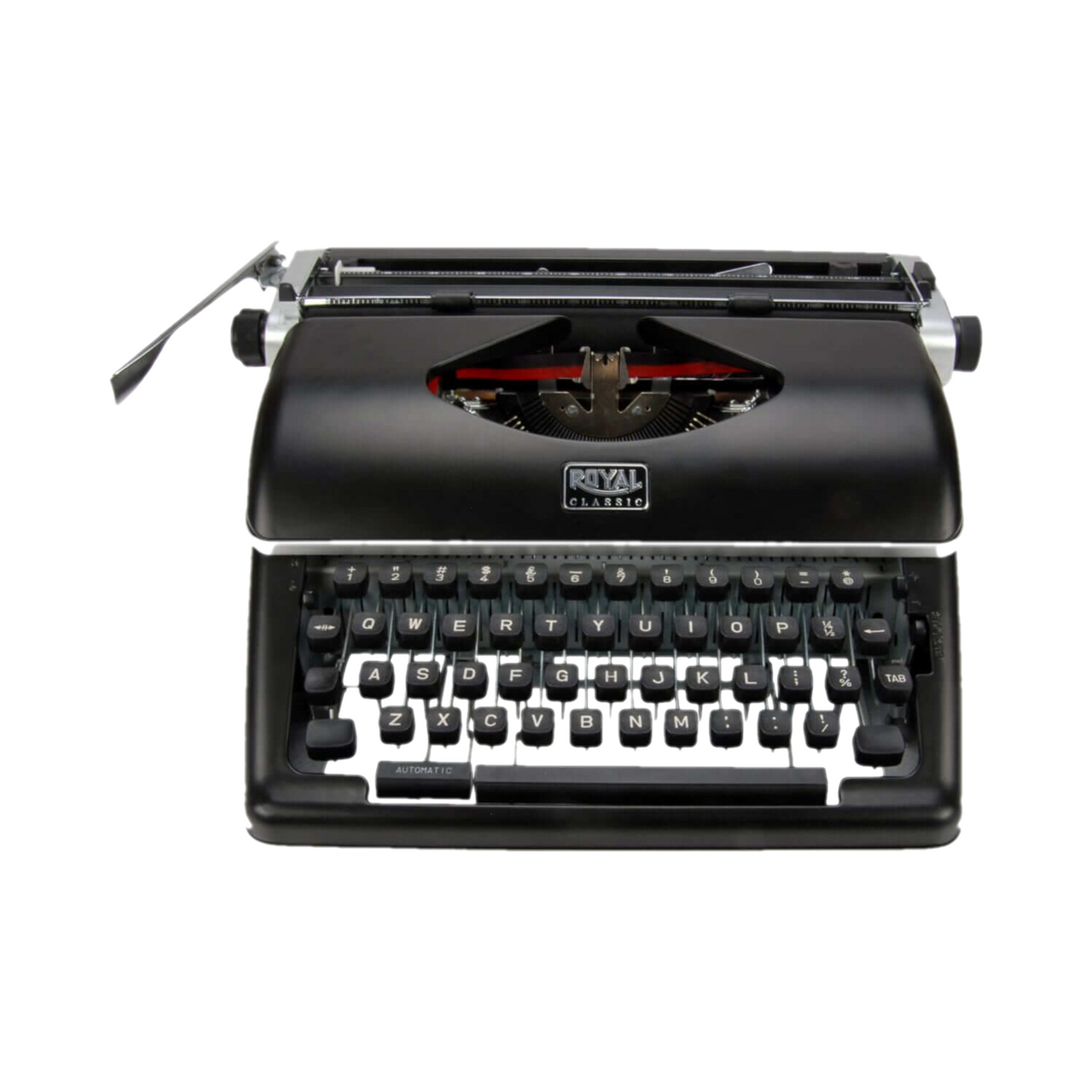 Now mind you, I learned on an actual typewriter back before the personal computer existed. In typing class we used electric IBMs – not the correcting ones that I lusted after as a college student, but still fine machines. At home and for my school assignments, I used an old style manual typewriter, one of the ones that takes effort to punch.
Despite what the research implied, typing is a physical act. Using a keyboard is embodied in my physical self. And while computer keyboards don’t require as much effort as the old fashioned manual machine, the physicality is similar.
I put my fingers on the keyboard, think of what I want to say, and it comes out. I don’t have to think about the individual letters unless I use a word that I’m not sure how to spell.
I like writing this way much more than I like writing by hand, because writing by hand requires more concentration on the physical act of writing – making the letters clear enough, staying within the lines, and so forth.
I pay more attention to the idea when typing, and that’s what I want to pay attention to. Continue reading “The Physical Act of Writing”…