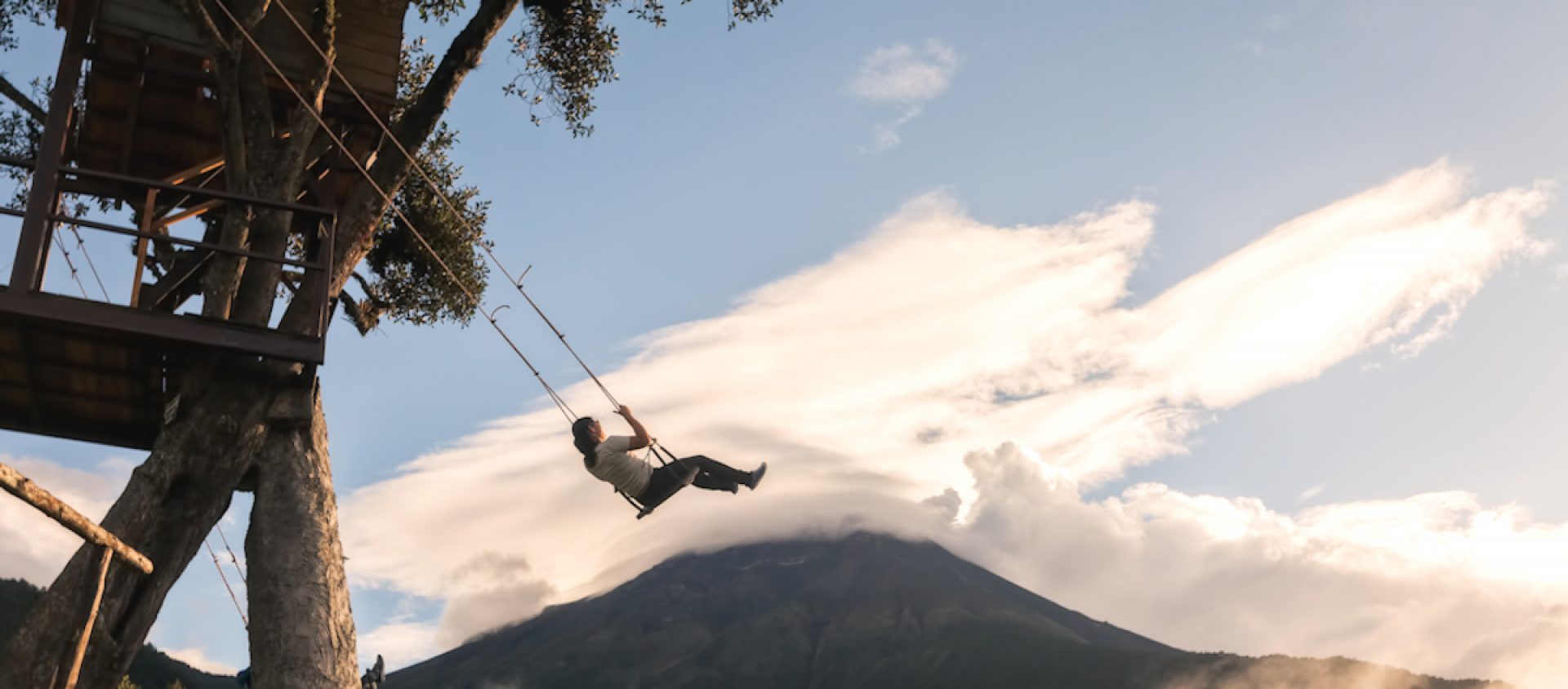
The ultimate, hidden truth of the world is that it is something that we make and could just as easily make differently.
— David Graeber
This is important. This is why I’ve been reading economics. I’m trying to understand the difference between our assumptions of how things work and what the actual constraints are. There are some limits on how we can make the world, but they’re rooted in the basic laws of physics and biology — neither of which we completely understand.
From my study, I’ve begun to understand that most of the rules of economics that are currently in use are built on faulty assumptions. If we toss out those assumptions and build on ideas that are much closer to actual reality, we can, as Graeber said, make a different and better world.
Living things die. Even if we discover more and better ways to extend life, living things will still die. I don’t think we’re going to get around that one. I’m not even sure we should, despite the fact that I would still like to live forever because I want to know what happens next.
But there are environments that are good for living things, ones that are bad, and some that are toxic. To apply Graeber’s thinking here: we have allowed systems that put people in bad and toxic environments for the financial benefit of a few. We do not have to do that. If all living things die, we can’t prevent that, but we can prevent them from dying prematurely of illnesses brought on by toxic environments.
A recent study points out that four million people die prematurely every year because of air pollution brought on by making things for the consumption-oriented wealthy countries.
Many of those people are elderly and have health conditions aggravated by particle pollution, but that doesn’t mean their lives weren’t valuable. Also, while the study doesn’t mention it, I suspect many of the health conditions were caused by the air pollution in the first place.
We can build a world in which healthy lives for all is more important than profit and the assumption that those with money can do whatever they want. That, of course, means a potent environmental protection program. Continue reading “Making Things Different”…
 could not resist.
 The Siberian permafrost that has yielded mammoth DNA is about 2.6 million years old, but freezing turns out to be a pretty good preservative of DNA.

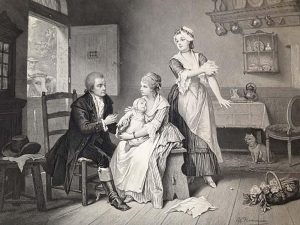 Every day we do risk-reward calculations: Can I cross against the light without getting hit by a car? Can I put off this task until tomorrow without getting slammed into oblivion at work? Should I have that third glass of wine? Should I get vaccinated against COVID-19 when a vaccine becomes available?