I don’t talk about Patreon much, but I’ve had a place there for a while. Once a month I send subscribers a short story, an old essay, a new one, some writing advice, and what’s happening behind the scenes. Everyone receives a recipe or two once a week, on the blog. Most patrons receive the short story. A lesser number (but still most) subscribe to the essay tier, and some subscribe to it at a level that means they get to choose what I write a new essay about, and so forth. This week I’d like to share with you some of my writing advice. it’s half of what’s in the newsletter, and it lets you see what that tier is about.
One of the new essays was about the colour ‘blue.’ I’d like to riff on that refrain and return to world building. Two birds, one stone.
There are some simple tools that help convince your reader that they walk in a strange world and not all of those tools involve flying cars or weird monsters. One of the easiest is colour. Science fiction TV often used to spray paint vegetation blue or orange to let viewers know “They walk in strange soil.” Writers have better choices than spray paint.
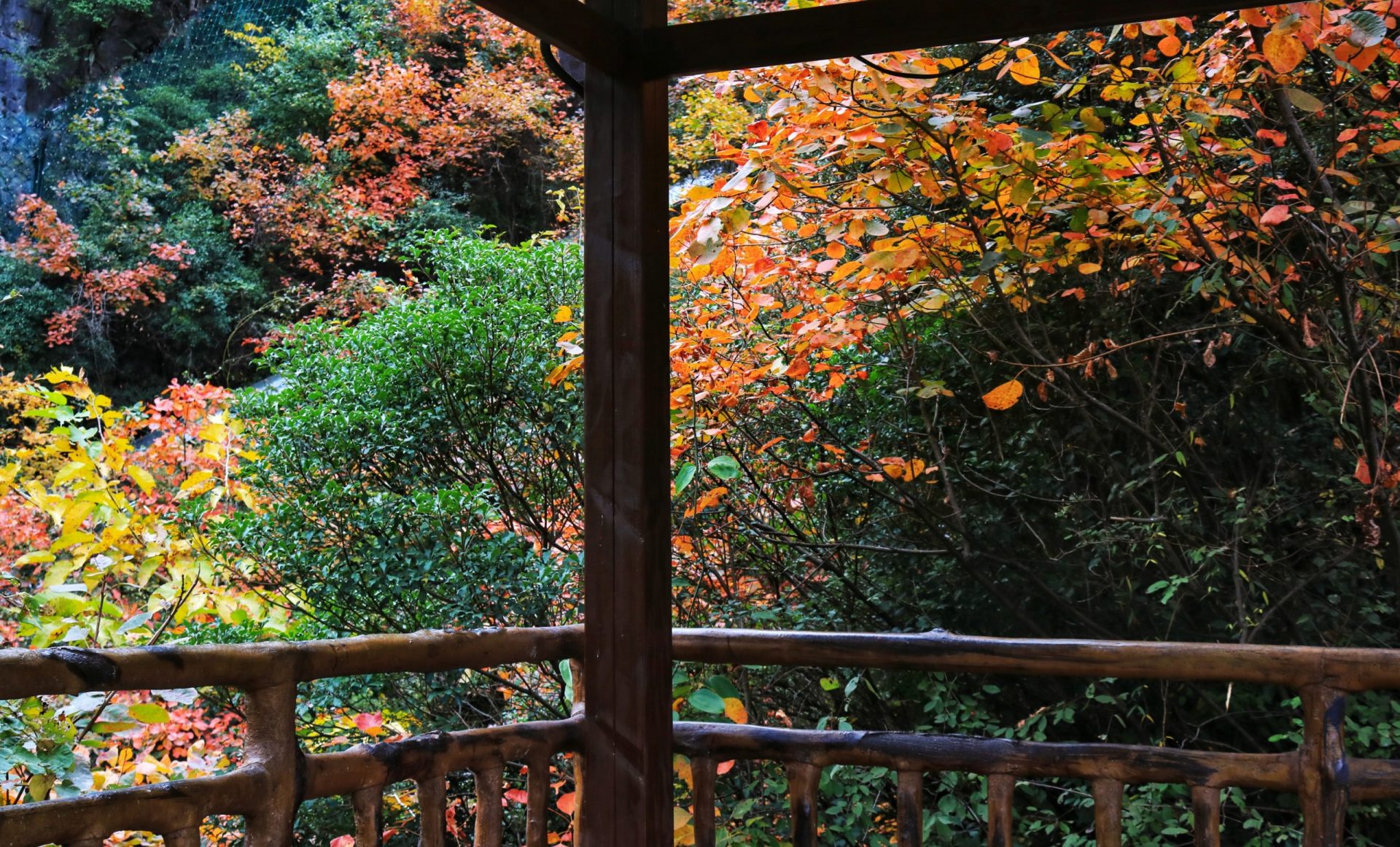
If someone returns home after a voyage (Odysseus!) and sees the familiar purple leaves and their comforting orange spots, that’s spray paint. The emotions help show the reader what they’re supposed to feel about the character and about the character’s relationship to the landscape, and the colours show that the world he sees is not ours. This gives the story some life using a few words or a single paragraph. If you want the past voyage to have changed them, you bring it into play. If the leaves are edible, even better. The character can pick a leaf and nibble it then recoil. What was sweet when they left their home has changed. If you want the landscape to have been changed by aliens (us!) invading and making it edible for our bodies, then you show this. The colour is no longer spray paint: it is integral to the story.
It’s really that simple. It works with all five senses, or with objects. Make it integral to the story by having a character interacting with it, and make that interaction show something important to the reader, or, in this case, a mini-story: noting the colour, reacting to it, tasting the leaf, reacting to it, realising that all has changed. That miniature story uses colour to enrich a landscape and bring it to life, while helping round the character out and give the reader a reminder of what has happened. Small things can have big impacts.